Natural honey as a premium export: what quality means in global trade
Honey occupies a complex position in global food trade — high consumer interest, high adulteration risk, and high standards for documentation. Here is what buyers should know.
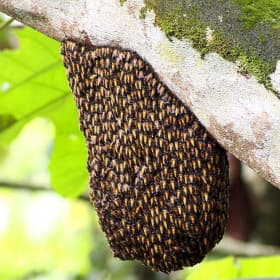
Natural honey commands premium prices and serious buyer interest across global food channels. The market includes bulk industrial buyers, premium retail programs, health food brands, and gift food curators. Each channel has different quality thresholds and different documentation expectations.
The challenge in honey trade is that quality is not always visible. Purity, floral source, moisture content, and HMF levels are laboratory determinations. This makes the trust relationship between buyer and exporter exceptionally important — and it is why honey buyers tend to be careful, thorough, and slow to change suppliers once a reliable source is established.
For Indian natural honey, the supply story is strong: diverse floral sources, significant volume capacity, and a long tradition of apiculture in states like Punjab, Rajasthan, and Himachal Pradesh. The communication story is where many exporters fall short.
Zorine Exports approaches honey as a trust-first category. Purity is the lead positioning. Packaging discussions happen with specific buyer programs in mind. And the inquiry process is structured to move quickly toward the technical specifics that honey buyers need before any order discussion can begin.